
Green Lipped Mussel for Dogs: Benefits, Dosage & What the Research Says

If your dog is slowing down — taking the stairs more carefully, getting up stiff in the morning, skipping the jump onto the couch — you already know something is off. Joint issues in dogs are incredibly common, and they tend to sneak up gradually until one day the limp is impossible to ignore.
The usual answer from vets is NSAIDs: meloxicam, carprofen, deracoxib. They work, but they come with a cost. Long-term NSAID use in dogs is associated with gastrointestinal damage, kidney strain, and liver stress. Most pet owners don’t love the trade-off — especially when their dog needs relief every single day.
Green lipped mussel has emerged as one of the most well-researched natural alternatives for canine joint support. It’s been studied specifically in dogs (not just extrapolated from human research), it works through a different mechanism than NSAIDs, and for many dogs it provides meaningful relief without the side effect burden.
Here’s everything you actually need to know — the science, the practical details, and how to choose a supplement that’s worth giving your dog.
What is green lipped mussel?
Green lipped mussel (Perna canaliculus) is a shellfish native to the coastal waters of New Zealand. It gets its name from the distinctive green edge around the shell. For decades it was primarily a food source — but researchers began noticing that populations living near mussel farming areas showed unusually low rates of arthritis, which triggered serious scientific interest in the mussel’s anti-inflammatory properties.
What makes green lipped mussel unique among joint supplements is its nutritional complexity. It contains a rare combination of compounds that work together:
- ETA (eicosatetraenoic acid) — a rare omega-3 fatty acid found almost exclusively in green lipped mussels. Unlike the EPA and DHA found in fish oil, ETA inhibits both the COX-1, COX-2, and LOX inflammatory pathways simultaneously — the same pathways targeted by NSAIDs, but without the gastrointestinal side effects.
- EPA and DHA — the standard omega-3s, which reduce systemic inflammation and support cardiovascular health
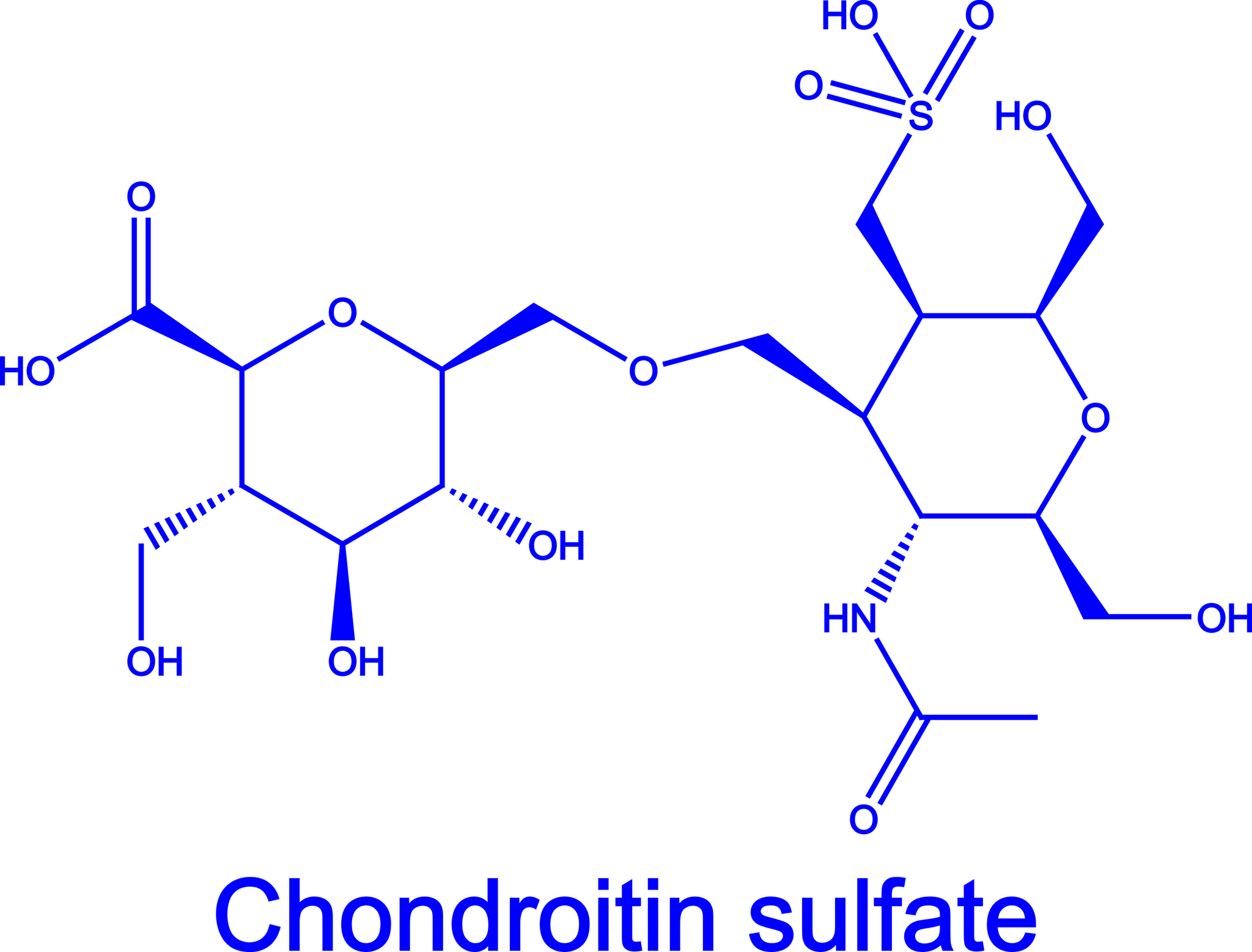
- Glucosamine and chondroitin — the building blocks of cartilage and synovial fluid, which cushion and lubricate joints
- Furan fatty acids — antioxidants that protect joint tissue from oxidative damage
- Magnesium, zinc, and iron — minerals that support connective tissue integrity
No other single supplement delivers all of these in one source. That’s why whole green lipped mussel oil — not isolated omega-3s or glucosamine alone — tends to outperform either in head-to-head comparisons for joint support.
What does the research say about green lipped mussel for dogs?
This is where green lipped mussel stands apart from most “natural” pet supplements: it has been studied directly in dogs, not just assumed to work because it works in humans.
A peer-reviewed study published in the Journal of Veterinary Science gave dogs with chronic orthopedic pain a green lipped mussel preparation for 8 weeks. The results: significant reduction in pain scores, improved mobility, and — critically — reduced requirement for NSAIDs. Dogs who had been relying on daily anti-inflammatory drugs needed less of them once green lipped mussel was added to their routine.
A second study found that green lipped mussel extract reduced arthritic pain in dogs comparably to fish oil, but with additional benefits attributable to the unique ETA content and the glucosamine/chondroitin present in whole mussel preparations.
Veterinary nutritionists at several universities have since recommended green lipped mussel as a first-line nutraceutical for canine osteoarthritis — often as an adjunct to (or gradual replacement for) NSAID therapy under vet supervision.
Which dogs benefit most?
Green lipped mussel is most commonly used for dogs experiencing:
- Osteoarthritis — the most common joint condition in dogs, affecting an estimated 1 in 5 adult dogs and up to 80% of dogs over age 8
- Hip dysplasia — particularly common in larger breeds (German Shepherds, Labradors, Golden Retrievers, Rottweilers)
- Elbow dysplasia — another structural issue in large breeds that often progresses to chronic arthritis
- Post-surgical recovery — joint surgery recovery periods where inflammation management is important
- General stiffness and reduced mobility — even without a formal diagnosis, older dogs showing signs of slowing down often respond well
It can also be used preventatively. If you have a large breed dog or a breed with known joint predispositions, starting green lipped mussel supplementation at age 3–5 — before symptoms appear — is a legitimate strategy supported by vets who work in sports medicine and rehabilitation.
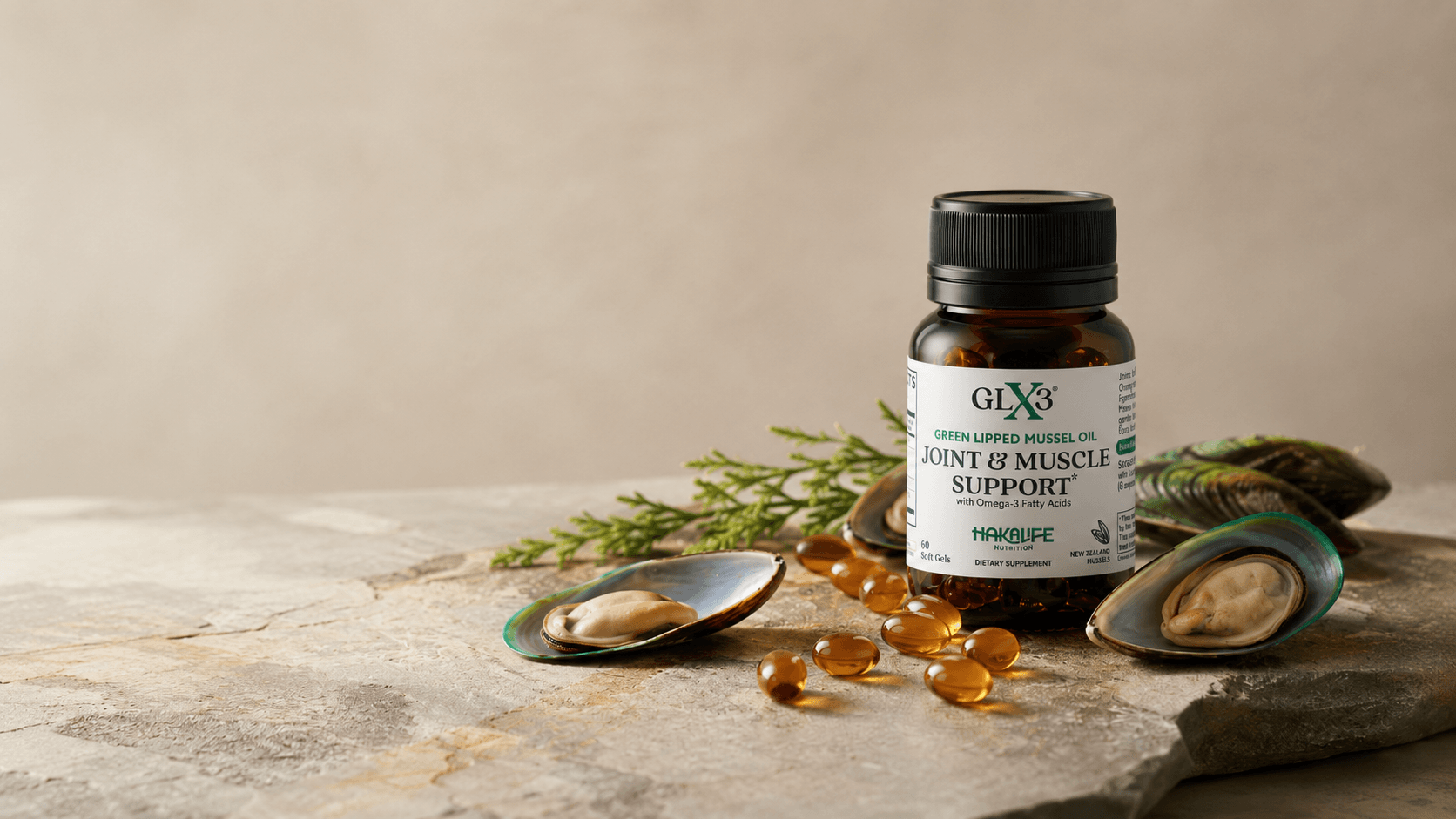
Try GLX3 for Dogs — New Zealand Green Lipped Mussel Oil
The same CO₂-extracted mussel oil. Safe for dogs. 90-day money-back guarantee.
See If GLX3 Is Right For Your Dog →Green lipped mussel oil vs. green lipped mussel powder — which is better for dogs?
You’ll find both forms on the market. The difference matters.
Green lipped mussel oil is extracted from the mussel using a cold or CO₂ extraction process. This preserves the full lipid profile — including the heat-sensitive ETA fatty acids that are responsible for much of the anti-inflammatory benefit. The oil is concentrated and potent, and a small daily dose delivers a meaningful amount of active compounds.
Green lipped mussel powder (freeze-dried extract) involves drying and grinding the whole mussel. The process preserves more of the glucosamine and chondroitin content but degrades a significant portion of the omega-3 fatty acids — particularly ETA, which is highly sensitive to both heat and oxidation. Freeze-drying is better than heat-drying, but it’s still a compromise compared to fresh cold extraction.
For anti-inflammatory joint support specifically, oil is the stronger choice. For cartilage building and structural joint support, powder has some advantages. Many vets now recommend oil as the primary supplement, with powder as a possible addition for dogs with more advanced cartilage breakdown.
GLX3 is a cold CO₂-extracted oil — the form with the highest preserved ETA content. Read our full comparison of mussel oil vs. freeze-dried powder here.
How green lipped mussel compares to fish oil for dogs
Fish oil is the most commonly recommended omega-3 supplement for dogs — and it does help. But green lipped mussel oil does more, for a few reasons:
- ETA content — fish oil contains EPA and DHA but no ETA. ETA’s dual COX/LOX inhibition makes it more targeted for joint inflammation specifically.
- Glucosamine and chondroitin — fish oil has none. Green lipped mussel oil contains both, supporting cartilage structure alongside inflammation reduction.
- Bioavailability — the omega-3s in green lipped mussel oil are in a form that may be more readily absorbed than the triglyceride form found in many fish oils.
- No fishy smell — GLX3 is CO₂-extracted, which eliminates the oxidized fish smell that makes many dogs (and their owners) reluctant to use fish oil consistently.
This doesn’t mean fish oil is worthless — it’s a solid supplement for cardiovascular and coat health. But for joint-specific support, green lipped mussel oil is the more targeted choice.
How to give green lipped mussel oil to your dog
GLX3 comes in small soft gel capsules. Most dogs will eat them directly from your hand or hidden in a treat. For dogs that are more suspicious, you can pierce the capsule and squeeze the oil over their food — it’s virtually odorless and won’t affect palatability.
Start at the lower end of the dose range for the first week to let your dog’s digestive system adjust, then move to the full dose. Some dogs show a mild increase in flatulence in the first few days — this typically resolves on its own.
For detailed dosage guidance by dog size and weight, see our dosage guide and FAQ for dogs here.
What to look for when choosing a green lipped mussel supplement for dogs
Quality varies significantly between products. Here’s what actually matters:
- New Zealand sourced — Perna canaliculus is native to New Zealand. Products using mussels from other regions are using a different species with a different nutritional profile.
- CO₂ or cold extraction — heat extraction destroys the ETA content. If the processing method isn’t disclosed, that’s a red flag.
- Short harvest-to-capsule time — omega-3 fatty acids oxidize quickly. The faster the processing, the higher the potency. GLX3 goes from harvest to capsule within days.
- Minimal ingredients — GLX3 contains three: New Zealand green lipped mussel oil, New Zealand olive oil (added for stability and its own anti-inflammatory oleocanthal content), and vitamin E oil (a natural antioxidant). Nothing else.
- No shellfish allergy — green lipped mussel is a shellfish. If your dog has a known shellfish allergy, consult your vet before using.
- Veterinarian approval — always let your vet know about any supplement you’re adding, especially if your dog is on existing medication.
How long before you see results?
The honest answer: it depends on the severity of your dog’s joint issues and their individual response. Most vets and researchers suggest evaluating after 4–6 weeks of consistent daily use. Some dogs — particularly those with mild to moderate stiffness — show noticeable improvement in 2–3 weeks. Dogs with more advanced arthritis may take longer, and the goal shifts from full reversal to meaningful management of symptoms and slowing of progression.
The key word is consistent. Green lipped mussel works through gradual accumulation of anti-inflammatory compounds — it’s not a pain reliever with immediate effect. Skip days and the benefit diminishes. Daily use over months is where the real impact shows up.
Is green lipped mussel safe for dogs long-term?
Green lipped mussel has one of the strongest long-term safety profiles of any joint supplement used in dogs. Unlike NSAIDs, it does not cause gastrointestinal ulceration, kidney damage, or liver toxicity with extended use. The studies that have looked at long-term use in dogs have not identified serious adverse effects at recommended doses.
The most commonly reported side effect is mild digestive upset — occasional loose stool or flatulence — when first starting the supplement. Starting with a lower dose and building up over a week typically eliminates this.
As with any supplement, let your vet know you’re using it, and monitor your dog’s response over the first few weeks. If you notice anything unusual — persistent vomiting, appetite loss, lethargy — stop and consult your vet.
*These statements have not been evaluated by the U.S. Food and Drug Administration. This product is not intended to diagnose, treat, cure, or prevent any disease. Always consult your veterinarian before starting any supplement regimen for your pet.
Try GLX3 for Dogs — New Zealand Green Lipped Mussel Oil
The same CO₂-extracted mussel oil. Safe for dogs. 90-day money-back guarantee.
See If GLX3 Is Right For Your Dog →See what GLX3 can do for you.
Try GLX3 — 90 Days, Risk-Free
SHOP NOWFree shipping on orders over $50 · 90-day money-back guarantee
DON'T MISS | Most Popular

*These statements have not been evaluated by the Food and Drug Administration. This product is not intended to diagnose, treat, cure, or prevent any disease. References to COX/LOX pathway support, joint comfort, and mobility reflect the ingredient's role in supporting the body's natural inflammatory response as part of a healthy lifestyle — not clinical outcomes. Individual results may vary.

