Why the Joint Advice You've Been Given Keeps Skipping Your Hands
The jar lid, the buttons, the knitting you put down after twenty minutes - hands are joints too, and the usual fish oil and glucosamine answers were never built for them.


The jar is still sitting on the counter. You've tried twice, pressed a dish towel against the lid for grip, and now you're waiting for someone with stronger hands to walk through the door.
Three tries this morning just to fasten the buttons on your blouse. The knitting you love is already back in the basket, set down after twenty minutes because your fingers wouldn't cooperate.
It's not dramatic enough to complain about, which somehow makes it harder to bear. It's small, it's quiet, and it's your hands.
Why does no one talk about hands?

You've found workarounds. The rubber jar gripper in the drawer. Pull-on tops instead of buttons. Letting someone else carry the casserole dish.
But the moment that stays with you isn't any of those. It's holding a grandchild's hand and not being able to squeeze back the way you want to.
Here's what stings: every joint ad you see is about knees and hips. Walking, stairs, getting off the couch. Hands rarely get a mention - as if the fingers that button, knit, garden, and hold don't count as joints too.
They do. And they've been left out of the conversation for years.
So why did more fish oil never help your fingers?
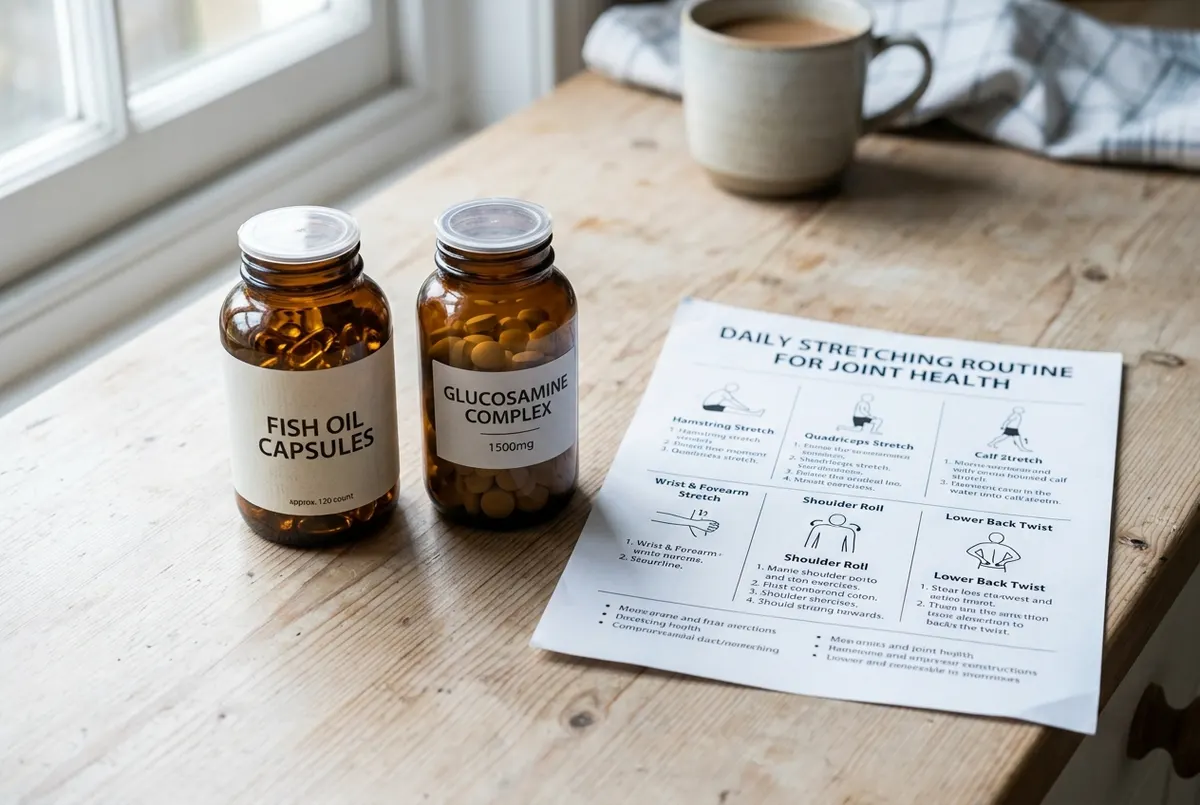
You probably did the sensible things: fish oil, glucosamine, stretches each morning. And you ended up roughly where you started.
It isn't that you did it wrong. It's that most fish oil is built around just two omega-3s - EPA and DHA. Helpful, but it's a narrow set of tools for the fine, stiff joints in your hands.
Call it the omega-3 gap. Regular fish oil leaves out a rare omega-3 called ETA. Green lipped mussel oil carries it, and it supports a healthy inflammatory response, part of how your body handles the everyday wear on small joints like the ones in your fingers.
So the usual answer wasn't too little. It was the wrong shape.
What closes the omega-3 gap?
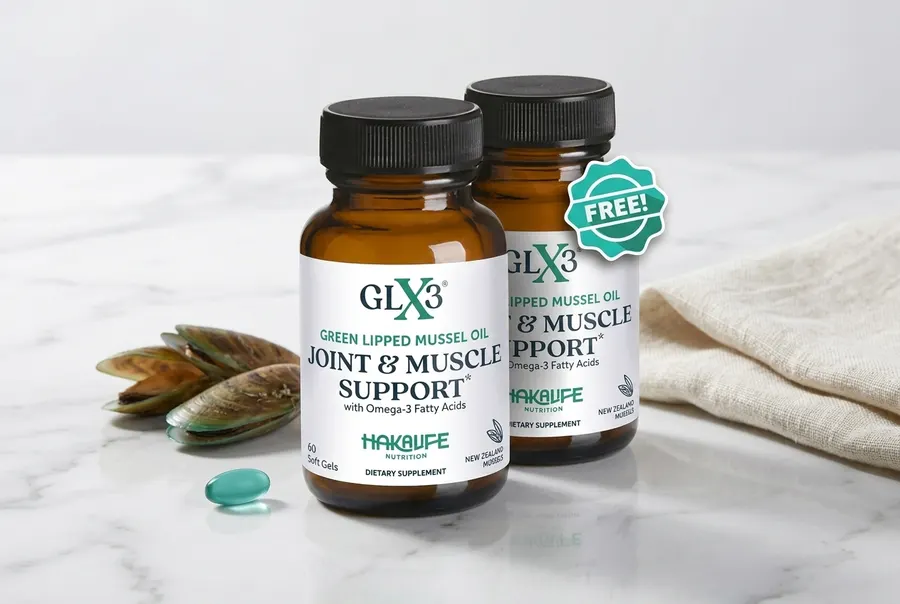
The answer is a shellfish.
It's the green lipped mussel from cold coastal waters of New Zealand. Its oil carries around 30 fatty acids, including that missing ETA, where fish oil carries two or three.
That oil is the heart of GLX3, made by Haka Life, a father-and-son company. One detail matters here: they use the oil pressed from the mussel itself, not the dried powder left behind after pressing.
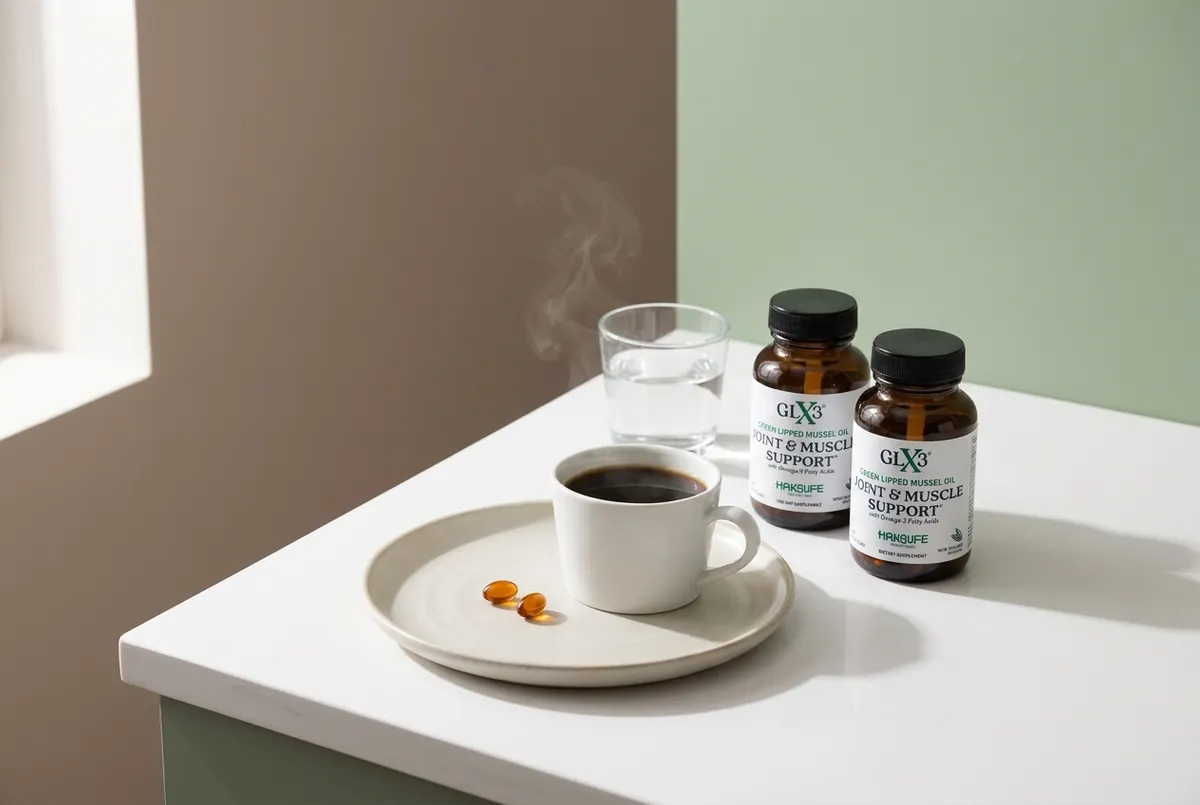
It's two small softgels a day. No big horse pills. No fishy burps either, a fair worry if you've put up with that before. Olive oil helps your body take it in, and vitamin E keeps it fresh.
It isn't overnight. Most people notice a difference between weeks 6 and 12. It's a slow, honest timeline, not a quick fix.
What could change in your hands?
The goal isn't dramatic. It's the small things coming back - the buttons, the jar, the grip that holds a little longer. Here's what easier mornings can look like.
What goes into every serving?
Three ingredients, each listed with its exact amount on the label - no blends hidden behind a vague total. Here's what you're actually taking twice a day.
Why women are reaching for this instead
 1
Green-lipped mussel oil carries around 30 fatty acids, not fish oil's two
 2
The usual answers leave hands stiff because they miss what makes this different
 3
No fishy burps, no aftertaste, no reason to dread taking it
Fish oil often comes with the tradeoff: better joints or bearable burps, not both. This formula uses the oil itself - not dried mussel powder - paired with olive oil and vitamin E, which supports absorption and freshness without the unpleasant aftertaste. Two softgels, no taste, no apology needed when you're taking it at breakfast.
 4
Most people feel the difference between weeks 6 and 12, not days
Joint supplements that promise overnight relief are selling you hope, not reality. Green-lipped mussel oil works on the timeline your body actually needs - most people notice their hands moving easier, their grip steadier, their morning stiffness softer somewhere between six and twelve weeks of daily use. That's when consistency compounds into the feeling you're looking for.
 5
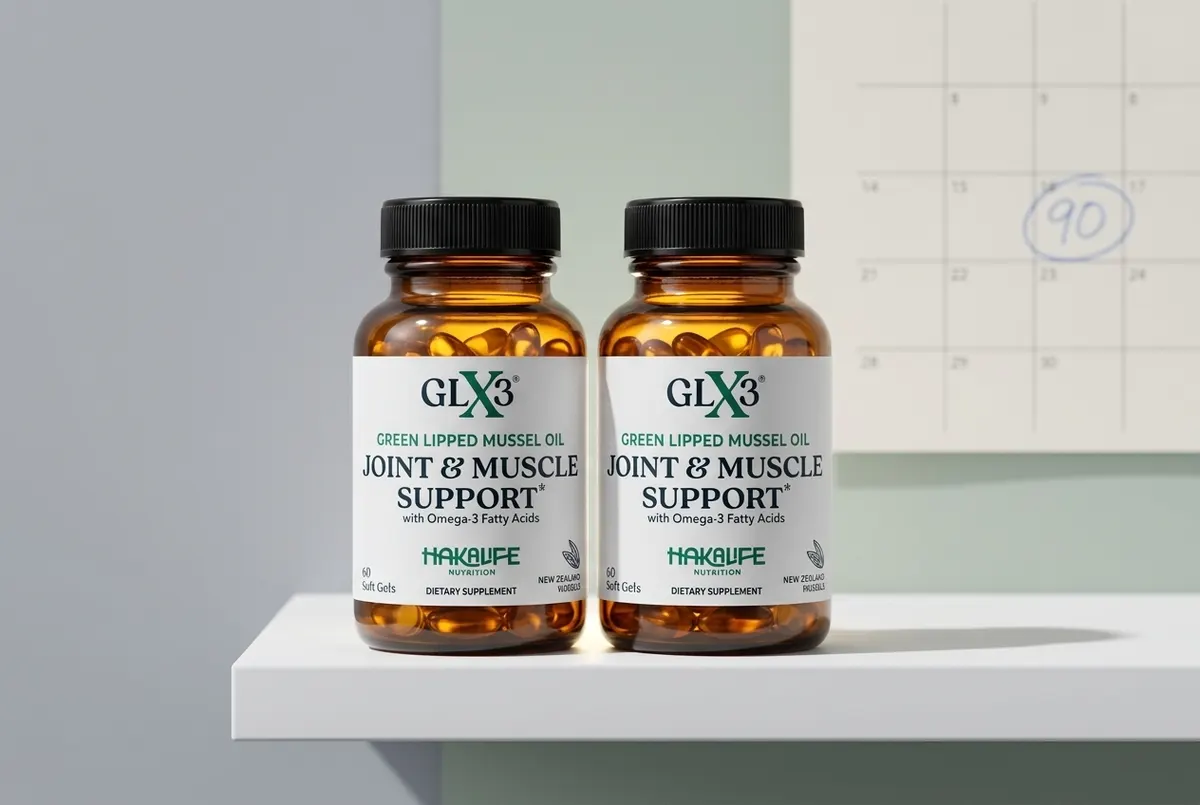
90 days to decide, and two bottles on the BOGO offer
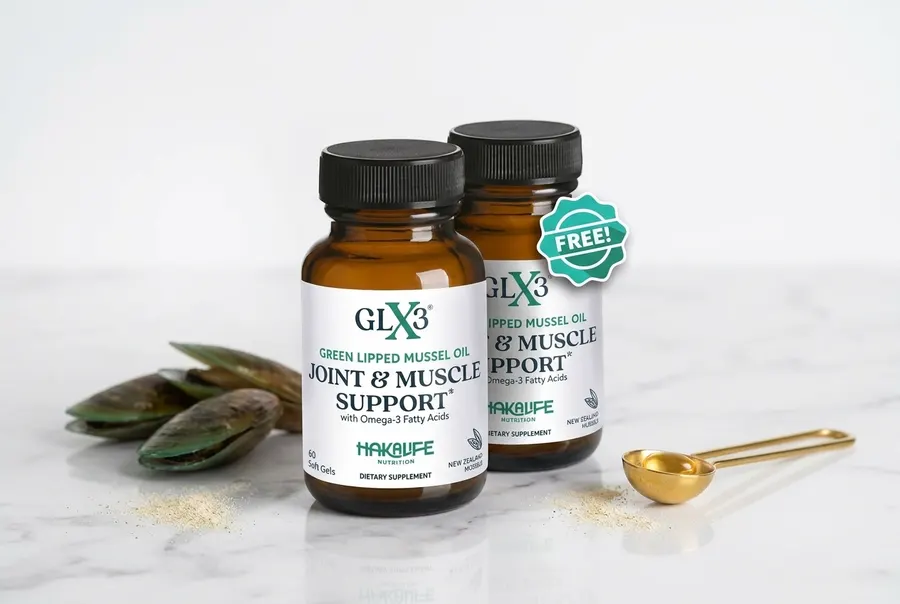
You're not committing to a subscription or locking into auto-delivery. The current offer is buy one get one free for $59.99 - two bottles, roughly two months - as a one-time purchase. Paired with the 90-day money-back guarantee, you have a full three months to feel whether your hands are moving the way you've been hoping. No hoops, no return shipping required.
How long until you notice a difference?
This takes patience. Here's a realistic look at the first few months, and why the 6-to-12-week window matters.
How does it actually compare?
If you've already got fish oil at home, the fair question is what this does that it doesn't. The difference comes down to how many tools each one brings to those small, stiff joints.
- 2-3 omega-3s (EPA and DHA only)
- Fishy burps and aftertaste common
- Larger capsules, harder to swallow
- Ingredient amounts vary by brand
- No ETA in typical fish oil
- Around 30 fatty acids including ETA
- No fishy burps or aftertaste
- Two small softgels daily
- 3 ingredients, exact amounts on the label
- ETA omega-3 from New Zealand mussels
Try GLX3
Questions you're probably asking
The honest ones come up again and again: will it actually help my hands, is it worth the price, and what if it doesn't work for me? Here are straight answers.
Give your hands a fair shot